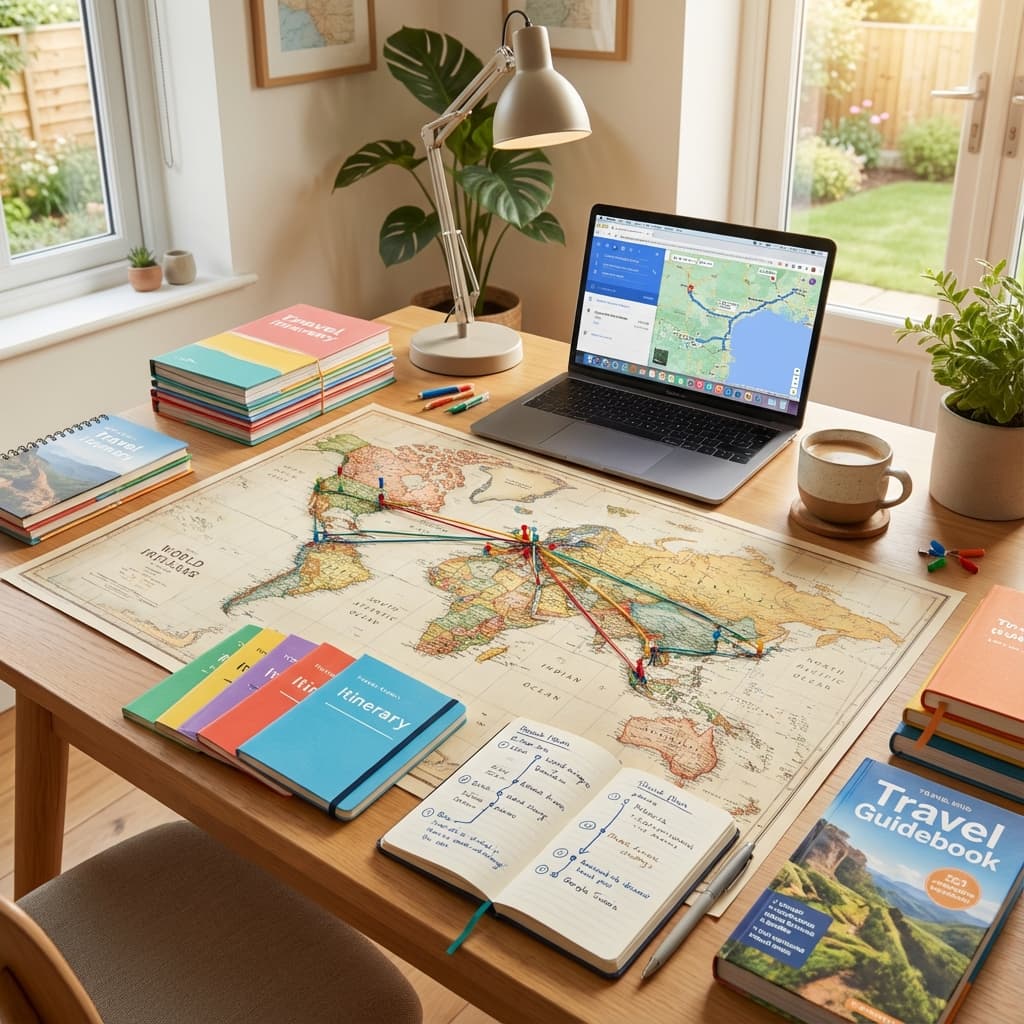
Creating the perfect travel route is both an art and a science. As a tour operator or travel planner, your ability to design efficient, enjoyable routes directly impacts client satisfaction and your business success. Here are the essential best practices for planning travel routes that delight clients and maximize your operational efficiency.
Understanding Your Client's Goals
Before plotting a single destination, understand what your client wants to achieve:
Key Questions to Ask
- What's the primary purpose of the trip? (leisure, business, adventure, cultural)
- What are their must-see destinations?
- What's their travel style? (fast-paced, relaxed, luxury, budget)
- Any physical limitations or preferences?
- What's their budget range?
Understanding these factors helps you create routes that align with client expectations, reducing the need for revisions and increasing satisfaction.
The Golden Rules of Route Planning
1. Minimize Backtracking
Efficient routes follow logical geographic progression. Avoid routes that require clients to return to areas they've already visited.
Good Route Example:
Paris → Lyon → Nice → Monaco
(Linear progression, no backtracking)
Poor Route Example:
Paris → Nice → Lyon → Paris
(Backtracks through previously visited regions)
2. Consider Travel Time and Distance
Balance distance with experience. Long travel days can be exhausting, but too many short hops can feel rushed.
Best Practices:
- Keep driving days under 6 hours when possible
- Allow 2-3 hours buffer for unexpected delays
- Consider travel time when planning activities
- Factor in rest days for multi-week trips
3. Optimize for Transportation Methods
Different transportation methods have different constraints:
By Car:
- Plan routes with scenic drives
- Consider road conditions and seasons
- Factor in parking availability
- Allow time for rest stops
By Train:
- Check train schedules and connections
- Consider luggage handling
- Plan for station locations
- Account for potential delays
By Flight:
- Minimize airport transfers
- Consider time zone changes
- Plan for check-in and security time
- Have backup options for cancellations
Creating Balanced Itineraries
The 60-30-10 Rule
A well-balanced itinerary includes:
- 60% planned activities: Must-see attractions, tours, experiences
- 30% flexible time: Free time for exploration, relaxation
- 10% buffer time: Unplanned delays, spontaneous discoveries
This balance prevents over-scheduling while ensuring clients see key attractions.
Pace Considerations
Fast-Paced Itineraries:
- Ideal for: First-time visitors, limited time, active travelers
- Characteristics: 2-3 destinations per week, packed schedules
- Best for: City tours, cultural highlights
Moderate-Paced Itineraries:
- Ideal for: Most travelers, balanced experiences
- Characteristics: 1-2 destinations per week, mix of activities and rest
- Best for: Regional tours, multi-country trips
Relaxed Itineraries:
- Ideal for: Repeat visitors, luxury travelers, retirees
- Characteristics: Extended stays, fewer destinations, more leisure time
- Best for: Beach destinations, countryside tours
Seasonal Considerations
Weather Patterns
Research seasonal weather for each destination:
- Peak season: Better weather, but crowds and higher prices
- Shoulder season: Good weather, fewer crowds, moderate prices
- Off-season: Challenging weather, but fewer tourists and lower costs
Local Events and Festivals
Incorporate or avoid local events:
- Include: Cultural festivals, local celebrations (if client is interested)
- Avoid: Major events that cause price spikes and availability issues (unless client specifically wants to attend)
Operational Considerations
- High season: Book accommodations and activities well in advance
- Low season: Some attractions may have limited hours or closures
- Shoulder season: Often the sweet spot for value and experience
Technology Tools for Route Planning
Mapping Software
Use professional mapping tools to:
- Visualize routes clearly
- Calculate distances and travel times
- Identify optimal paths
- Create client-facing presentations
Research Tools
Leverage online resources:
- Travel forums: Real traveler experiences and tips
- Review sites: Client feedback on attractions and accommodations
- Local tourism boards: Official information and recommendations
- Weather services: Historical and forecast data
Communication Tools
Keep clients informed:
- Share route maps early in the planning process
- Provide digital itineraries they can access on mobile
- Include emergency contact information
- Set up check-in points for longer trips
Common Route Planning Mistakes to Avoid
1. Over-Optimization
Don't sacrifice experience for efficiency. Sometimes a slightly longer route offers better experiences.
2. Ignoring Client Preferences
Always prioritize client goals over "perfect" routes. A route that doesn't match client interests will fail regardless of how well-planned it is.
3. Underestimating Travel Time
Always add buffer time. Real-world travel takes longer than Google Maps suggests, especially with:
- Traffic conditions
- Border crossings
- Airport procedures
- Rest stops and meals
4. Neglecting Local Knowledge
Research local insights:
- Best times to visit attractions
- Local customs and etiquette
- Regional specialties and must-try experiences
- Safety considerations
5. Rigid Planning
Build flexibility into routes:
- Have backup options for weather-dependent activities
- Include alternative routes for road trips
- Plan for client energy levels and interests
Testing Your Routes
Pre-Trip Validation
Before finalizing routes:
- Verify distances and times: Use multiple mapping services
- Check opening hours: Ensure attractions are open on planned days
- Confirm reservations: Double-check all bookings
- Test accessibility: Verify routes are accessible for all travelers
Post-Trip Analysis
After trips, gather feedback:
- What worked well?
- What would clients change?
- Were there unexpected challenges?
- How can routes be improved?
Use this feedback to refine future route planning.
Documentation and Presentation
Create Clear Route Maps
Professional route maps should include:
- All destinations clearly marked
- Travel routes between locations
- Distances and approximate travel times
- Key attractions or stops
- Accommodation locations
Provide Detailed Itineraries
Include in your documentation:
- Day-by-day breakdown
- Activity schedules
- Restaurant recommendations
- Emergency contacts
- Important local information
Conclusion
Effective route planning requires balancing multiple factors: client goals, geographic logic, transportation constraints, seasonal considerations, and operational efficiency. By following these best practices, you'll create routes that maximize client satisfaction while maintaining operational excellence.
Remember, the best routes aren't just efficient—they create memorable experiences that clients will talk about for years to come. Invest time in thoughtful route planning, and your clients (and your business) will reap the rewards.
Start planning your next perfect route today, and watch how professional route design transforms your client experiences.